

Week 1 – From Reflection to Creation: Introducing the Concept Behind My Lingerie Collection
Updated: Mar 11
Applying reflective practice to the early stages of concept development and moodboard exploration.
In the first week of the module, we were introduced to reflective practice and the structure of our reflective log assignment. At first, I assumed reflection meant simply documenting weekly activities. However, the session showed me that reflection is actually about analysing experiences and using what you learn to improve in the future. According to Graham Gibbs, reflection involves going beyond describing events to evaluating those experiences and identifying ways to improve future actions (Gibbs, 1988). Understanding this framework immediately made me rethink how I approach my own creative work.
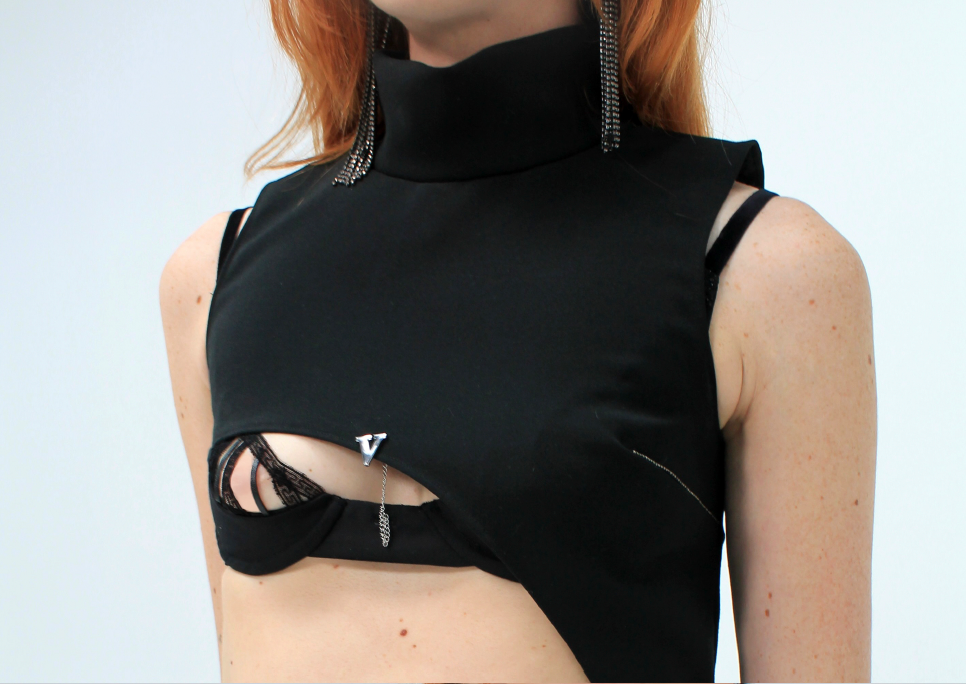
During this term, I also began working on a personal project: developing my own fashion collection. The first stage involved making mood boards to explore different themes, textures, silhouettes, and visual concepts. My concept focuses on lingerie as the central garment, paired with tailored outerwear pieces designed to frame and emphasise it, rather than hide it. As I looked for inspiration, I found myself drawn to connection, contrast, and structure, which became core elements of my collection.
Figure 1. Initial concept moodboards exploring themes of connection, contrast, and sensual structure. The visual references helped establish the conceptual direction of the collection.
Figure 2: Fabric samples considered during early concept development.
This stage highlighted an interesting tension in my creative practice. One of my strengths is coming up with ideas and visual concepts; brainstorming feels natural and fun. Sometimes it feels like my mind holds an endless library of ideas. However, I also struggle to narrow down my ideas. I often hesitate to remove concepts from my mood boards because I worry about losing something valuable. This made me realise that creativity in entrepreneurship is not just about having the ideas but also about making informed choices about which ones to pursue.
Learning about entrepreneurship in creative fields changed how I think about what it means to be an entrepreneur. Before this module, I associated entrepreneurship primarily with technology founders or business owners. However, the readings showed me that entrepreneurship also exists within creative practice, where people develop new products and ideas. This aligns with Joseph Schumpeter’s theory that entrepreneurs create value by introducing new combinations of ideas and disrupting existing markets (Schumpeter, 1934).
Reflecting on this, I started to see building my collection as an entrepreneurial process. By combining lingerie and outerwear with modular connections, I aim to create a unique design style that distinguishes my work from existing lingerie products that typically stand alone and leave the pairing to the consumer.
Figure 3: Early design sketches exploring lingerie as the central garment framed by structured outerwear pieces.
Emotionally, this stage was both exciting and intimidating. I’m confident in my creativity when I work on my own, yet presenting ideas to others often makes me anxious. This tension between confidence and self-doubt is something I will need to overcome as I continue developing my identity as a designer and entrepreneur.
Overall, the first week pushed me to analyse my creative process more critically. Reflection will help me to better understand my strengths, weaknesses, and decision-making as I continue working on my collection.
Figure 4: Video of myself explaining my approach to this assignment and my fashion collection concept.


Comments